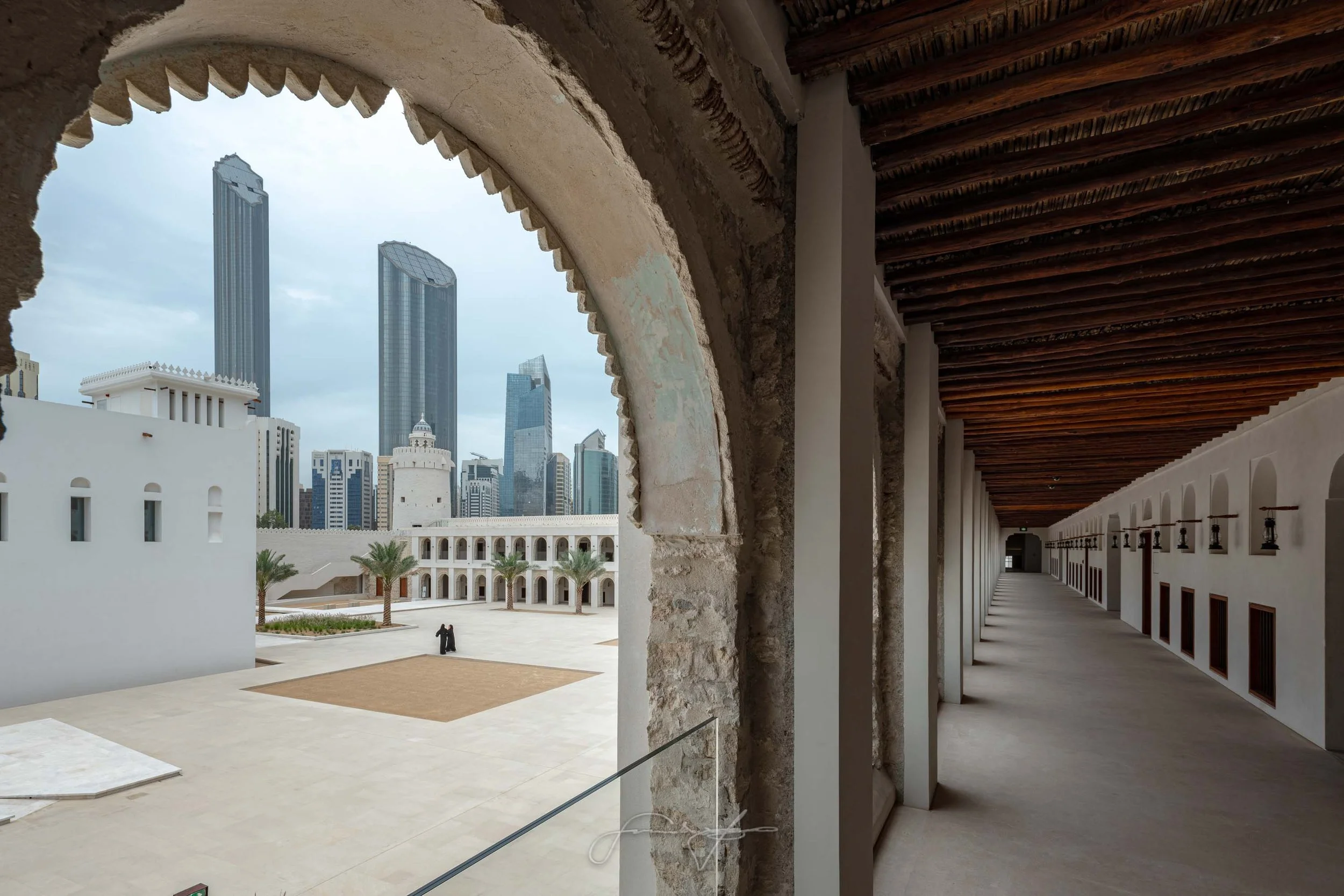
Having spent years documenting Qasr Al Hosn on professional architectural assignments and working directly with key entities like the Department of Culture and Tourism – Abu Dhabi and various architectural restoration consultancies, I have come to know every corner, stone, and historic nuance of this landmark intimately.
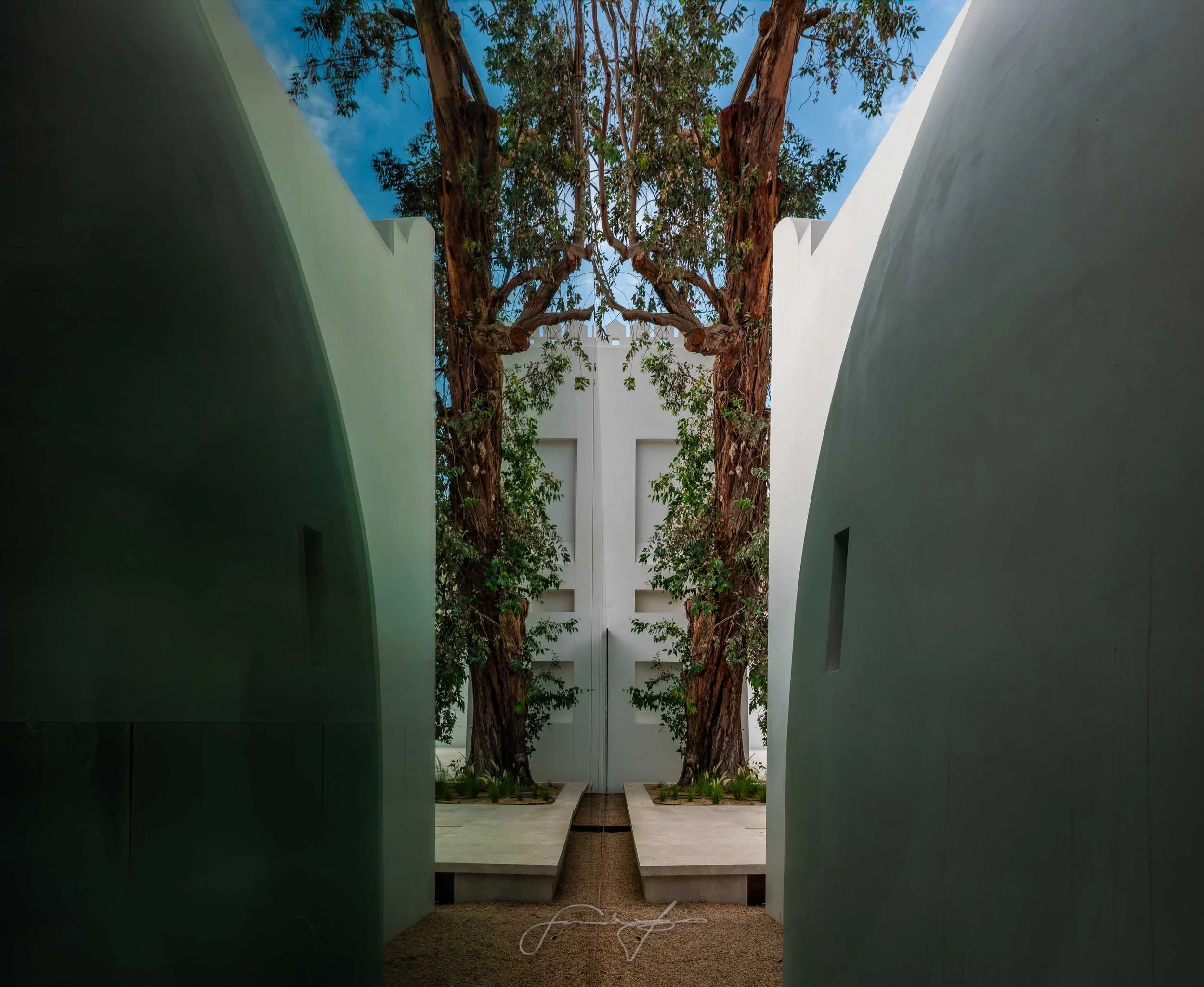
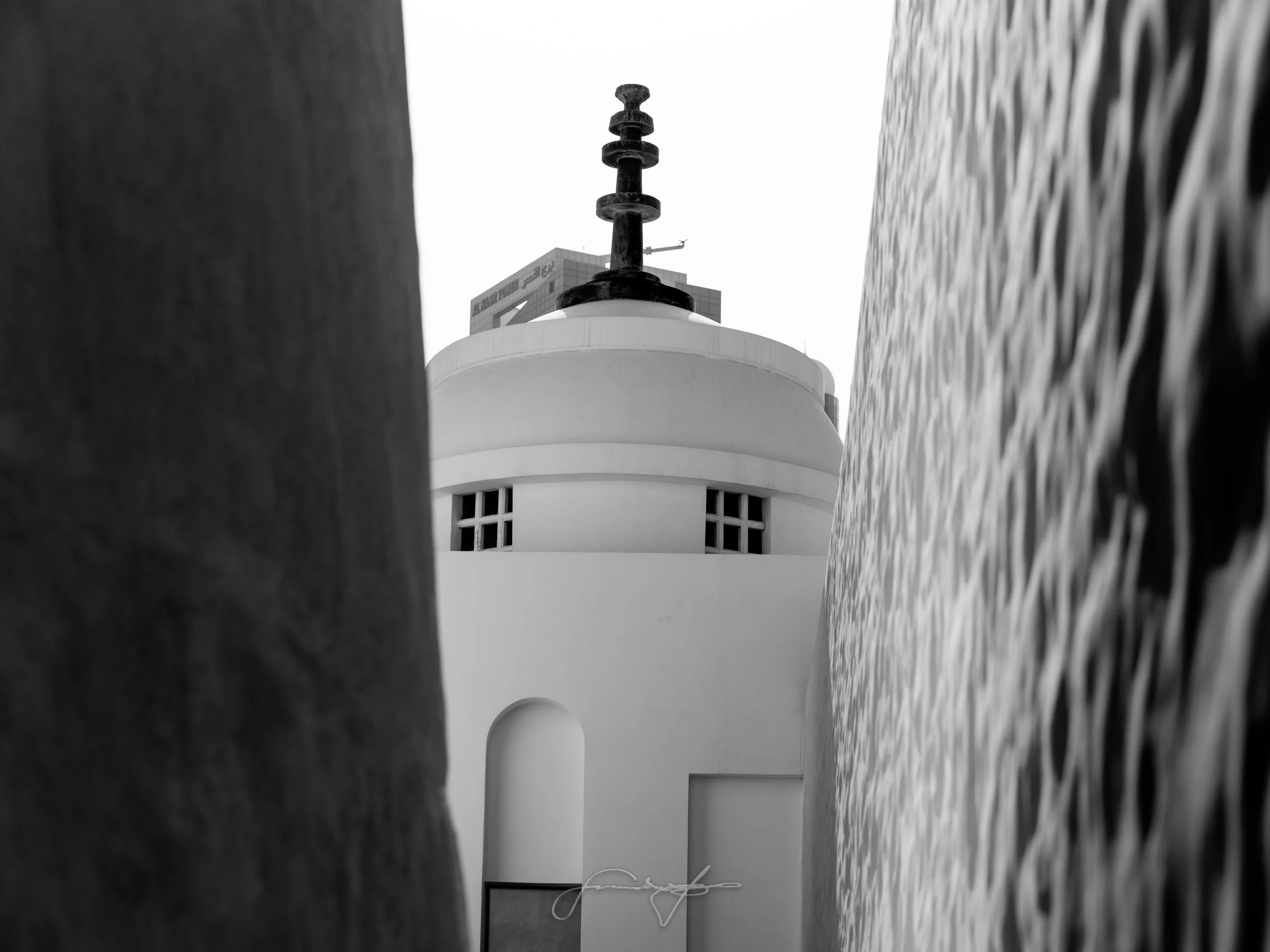
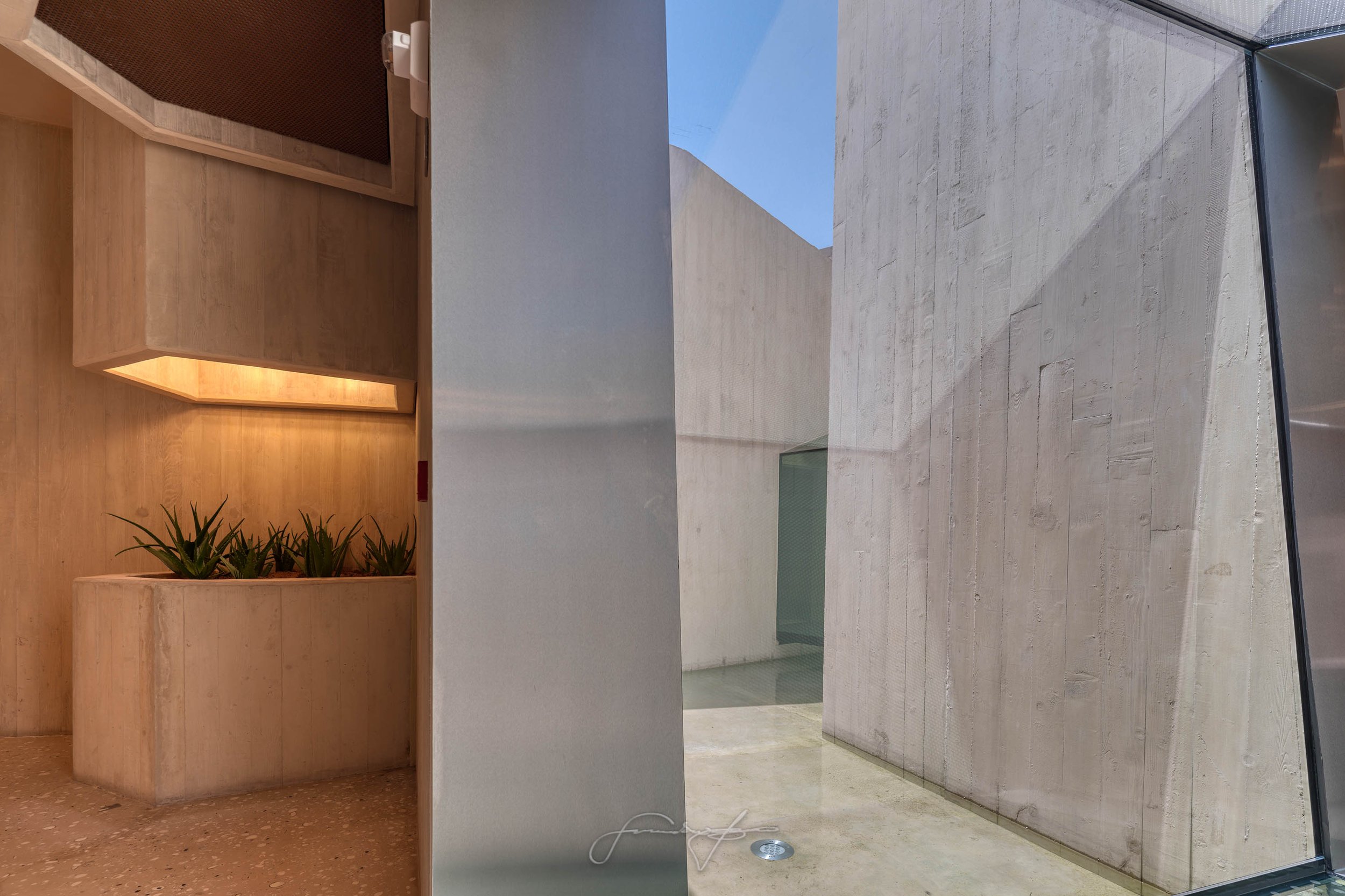
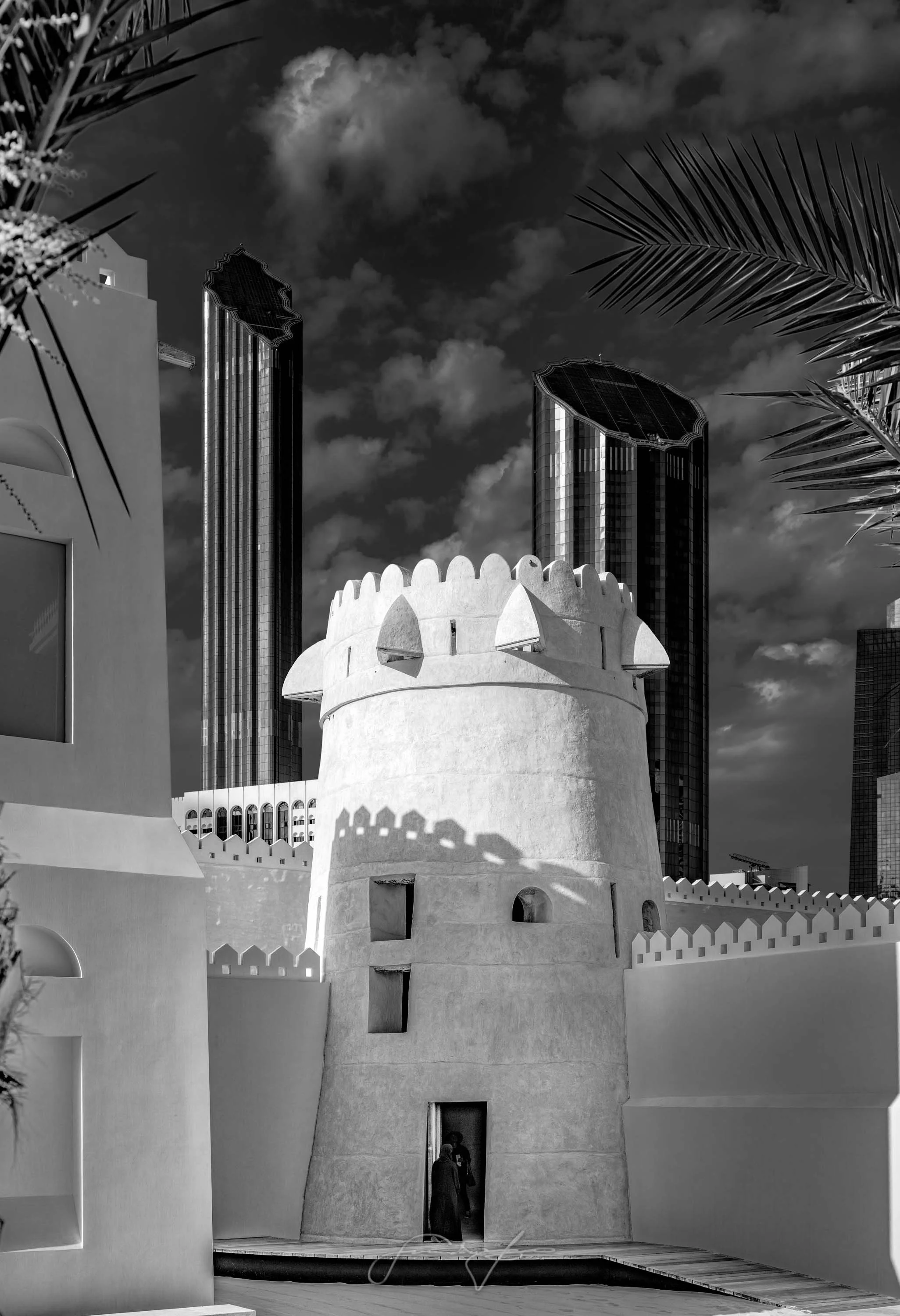
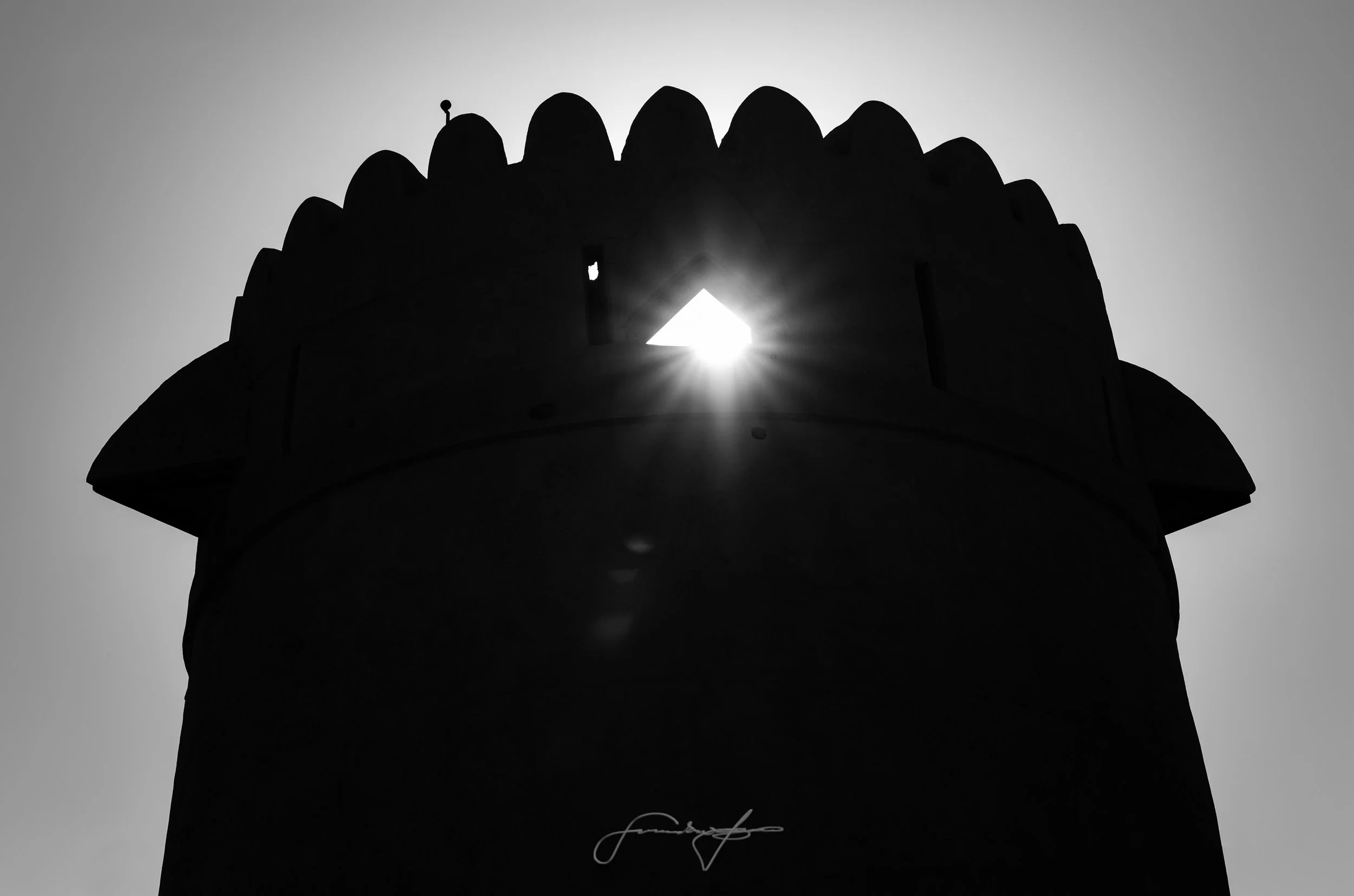
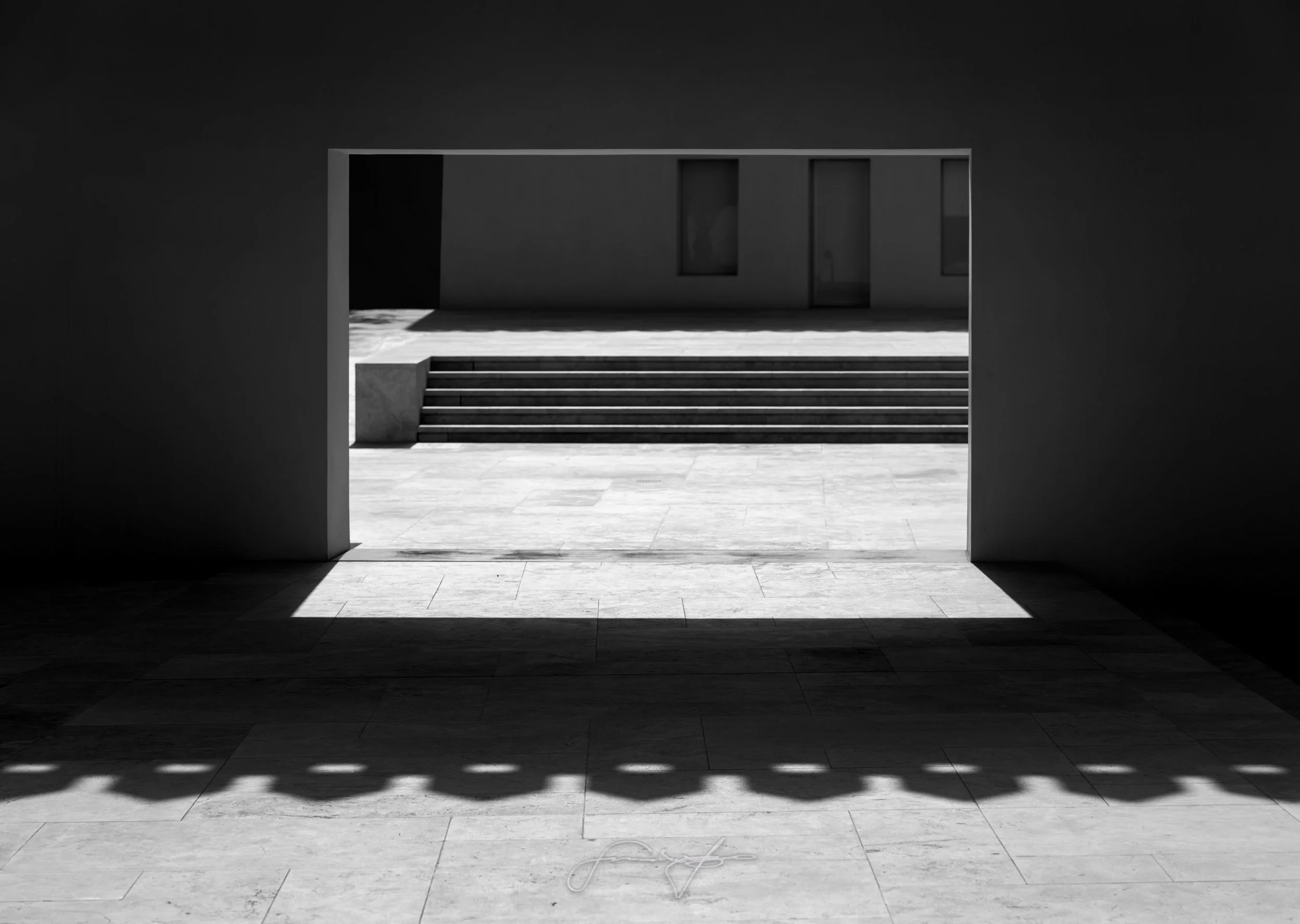
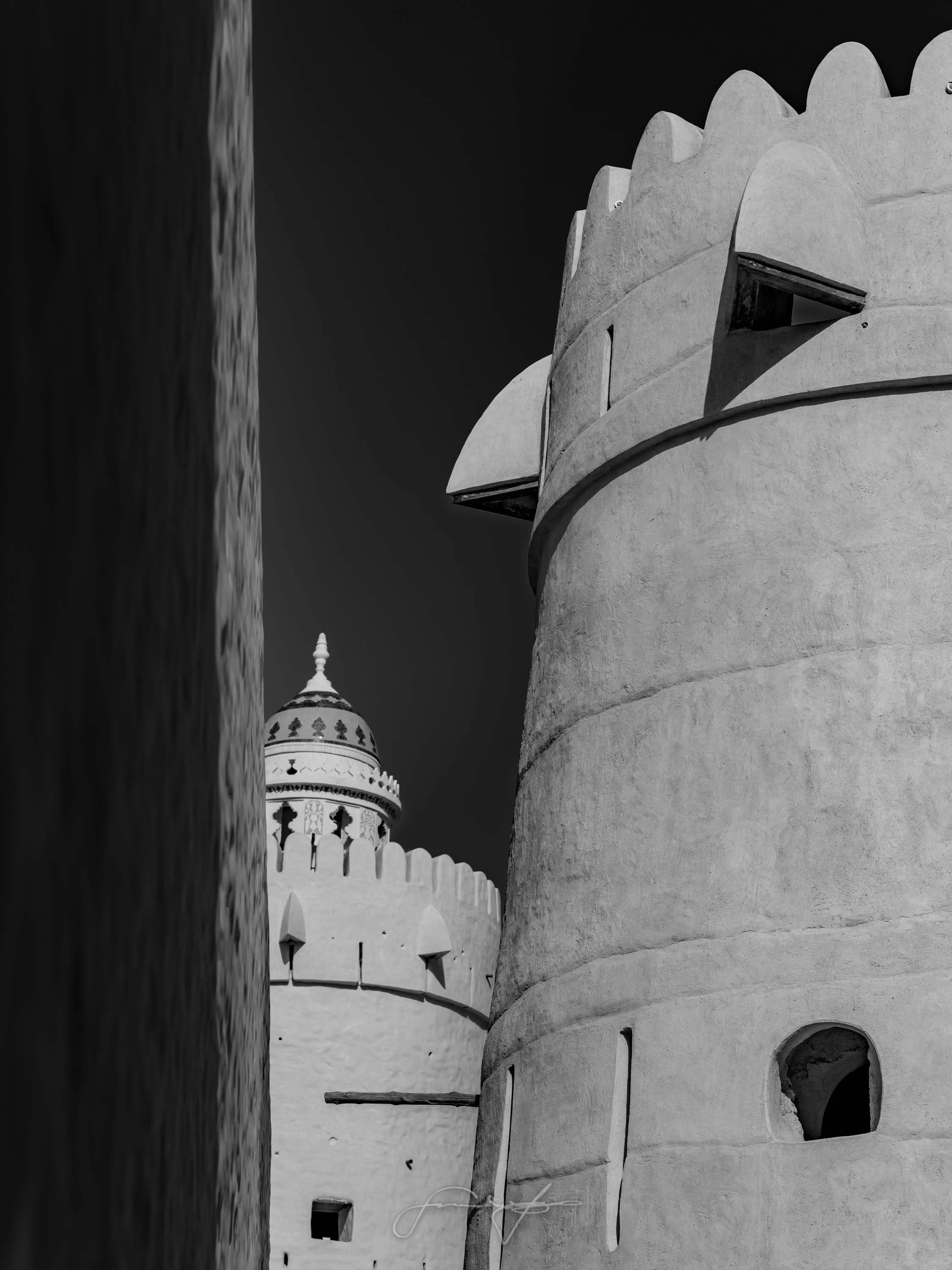
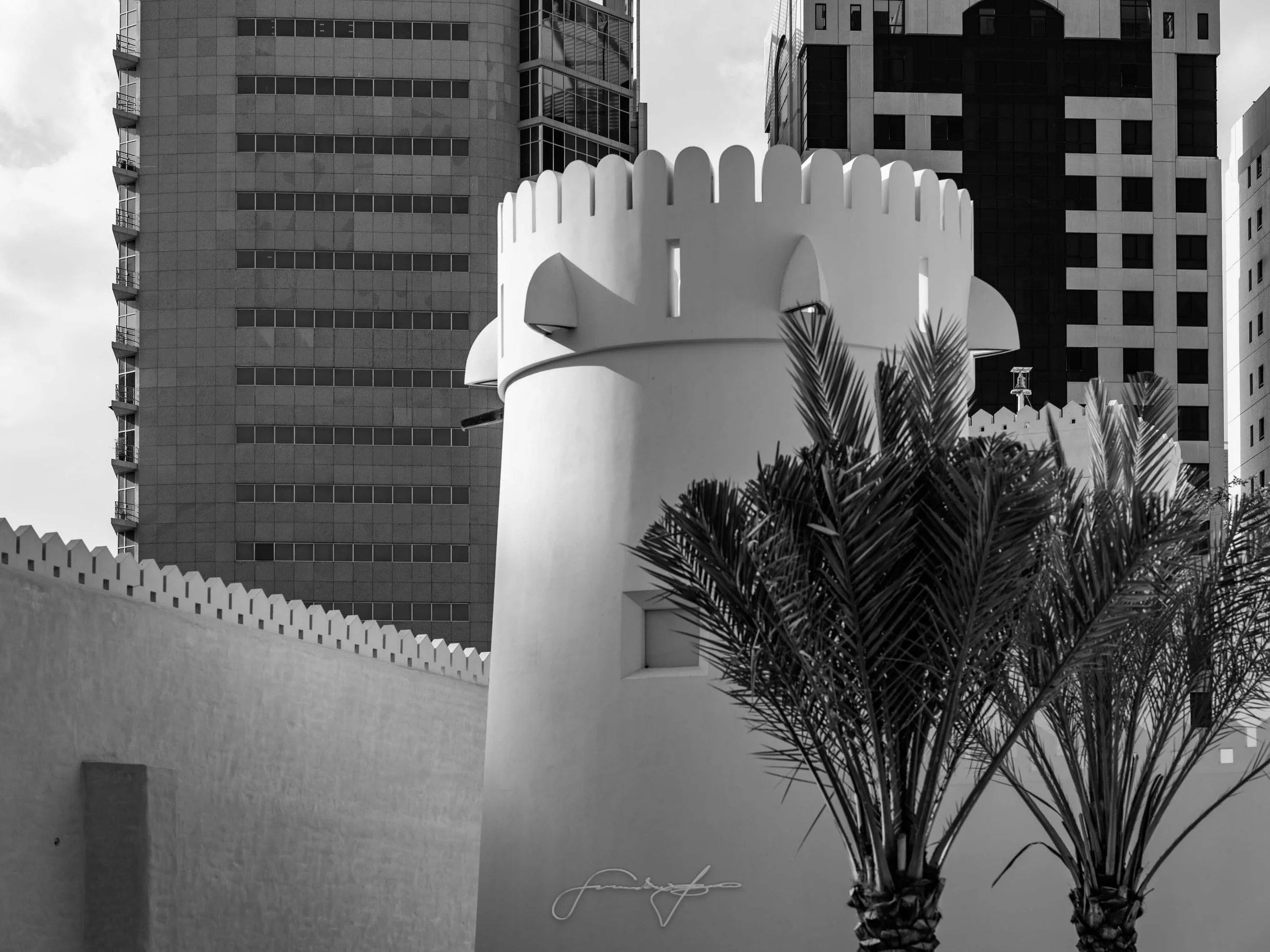
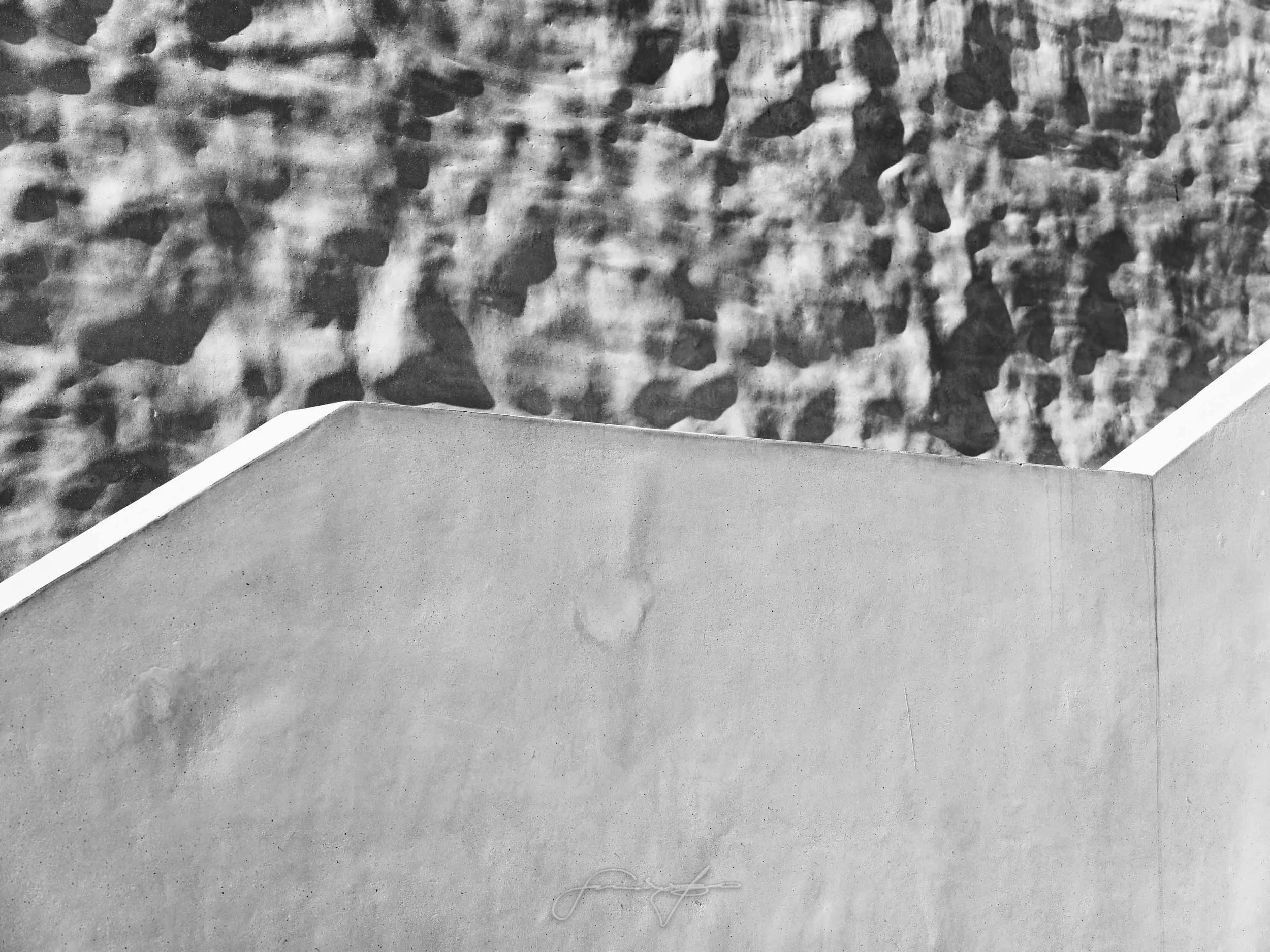
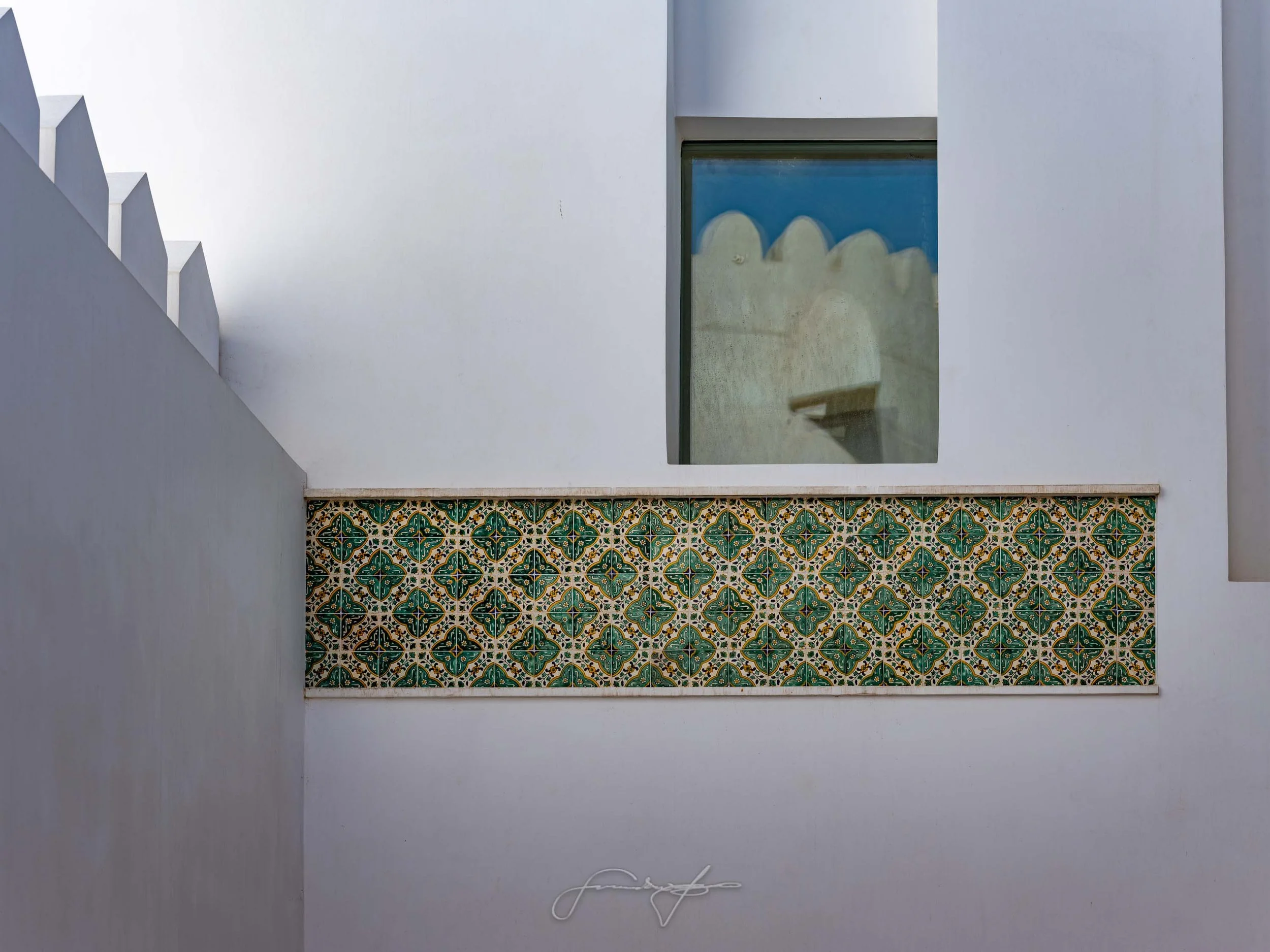
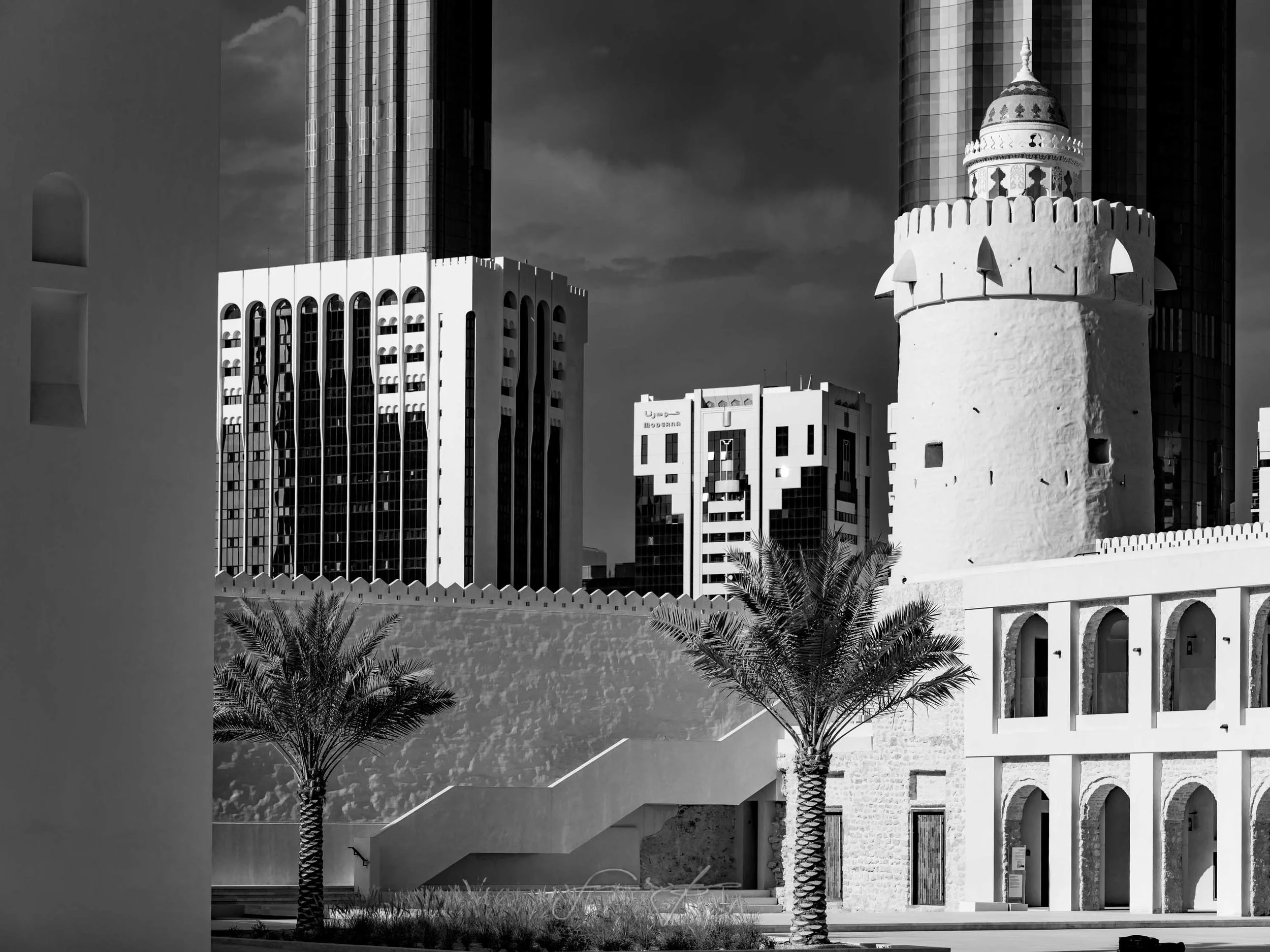
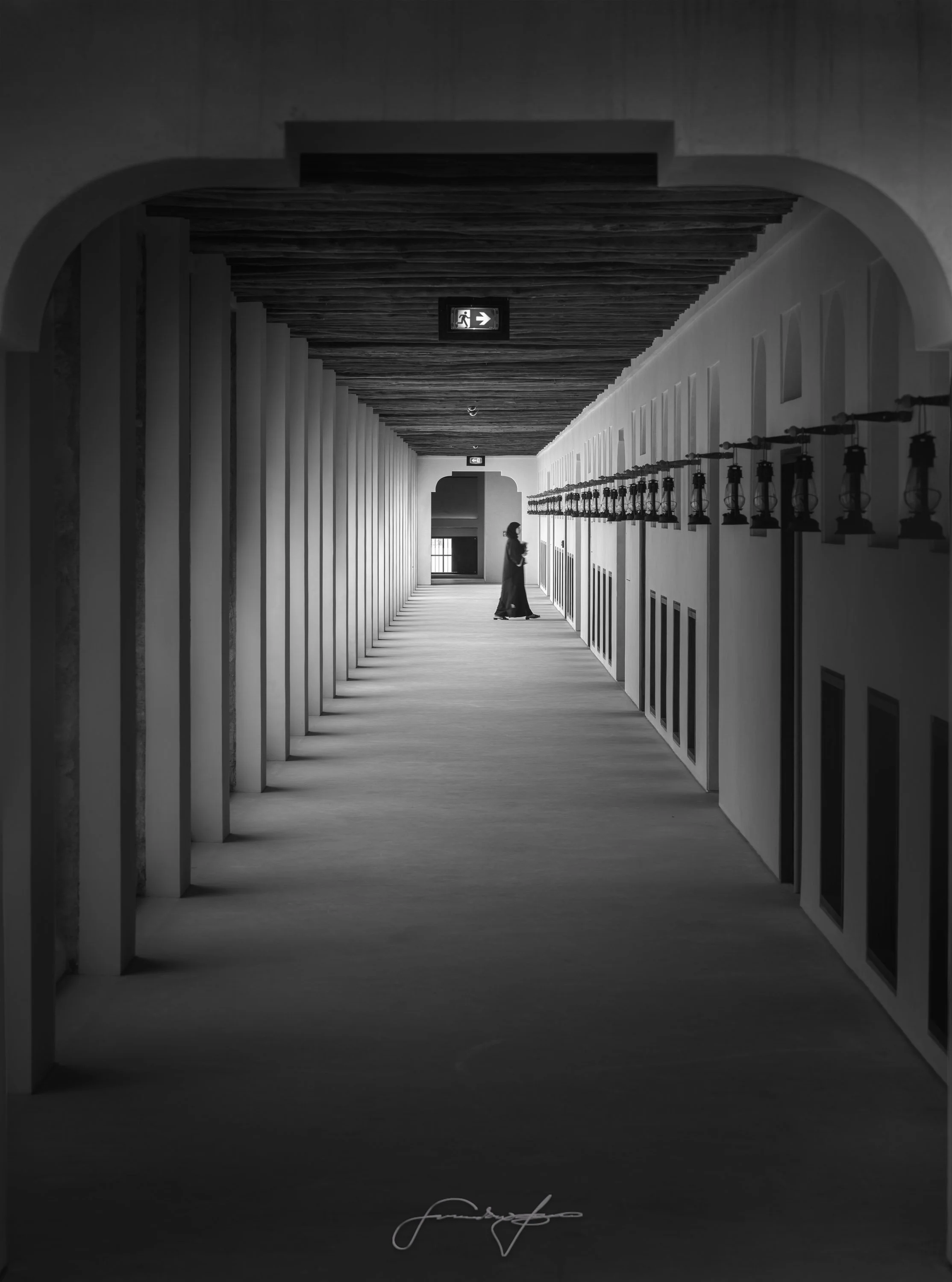
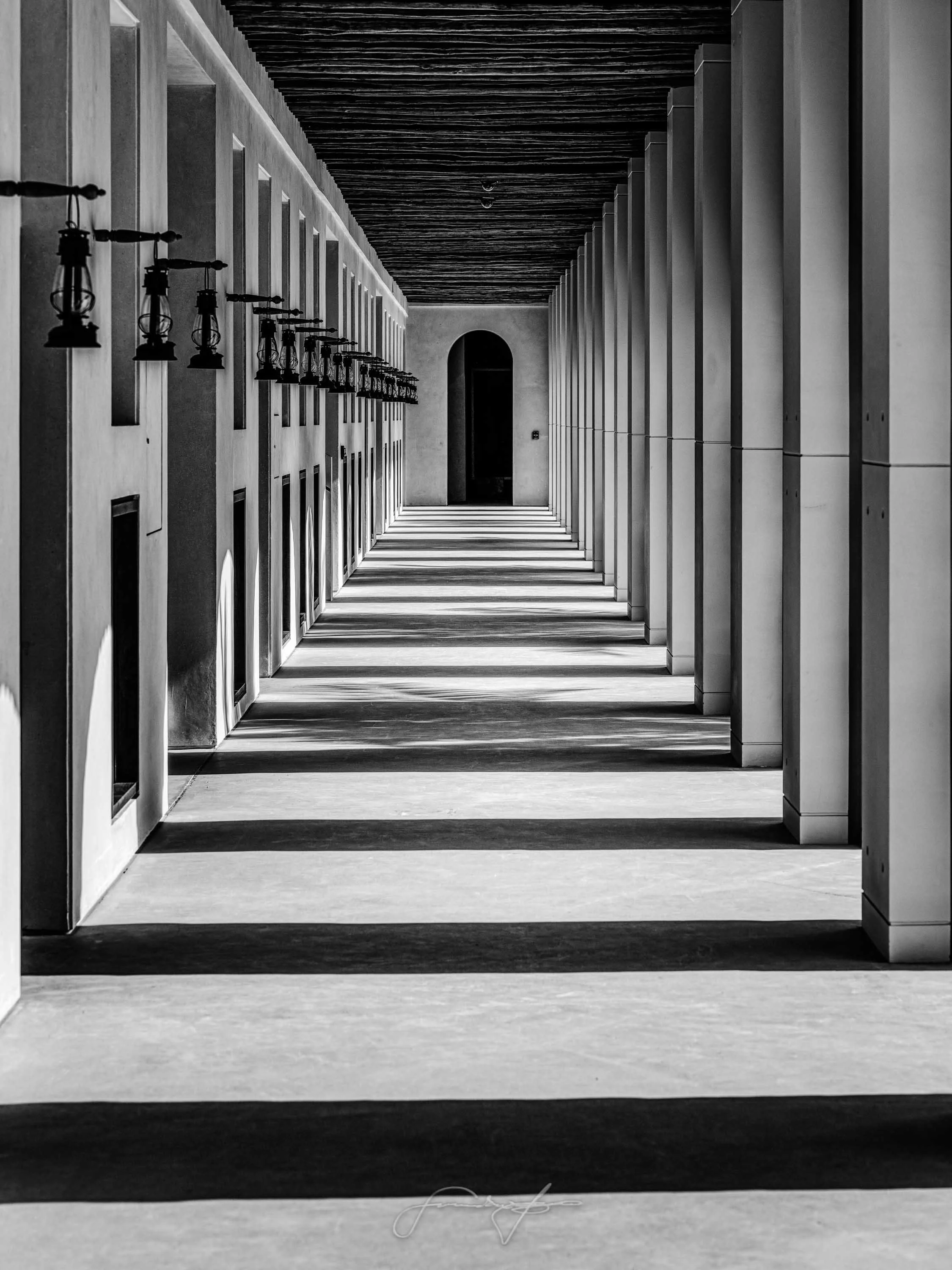
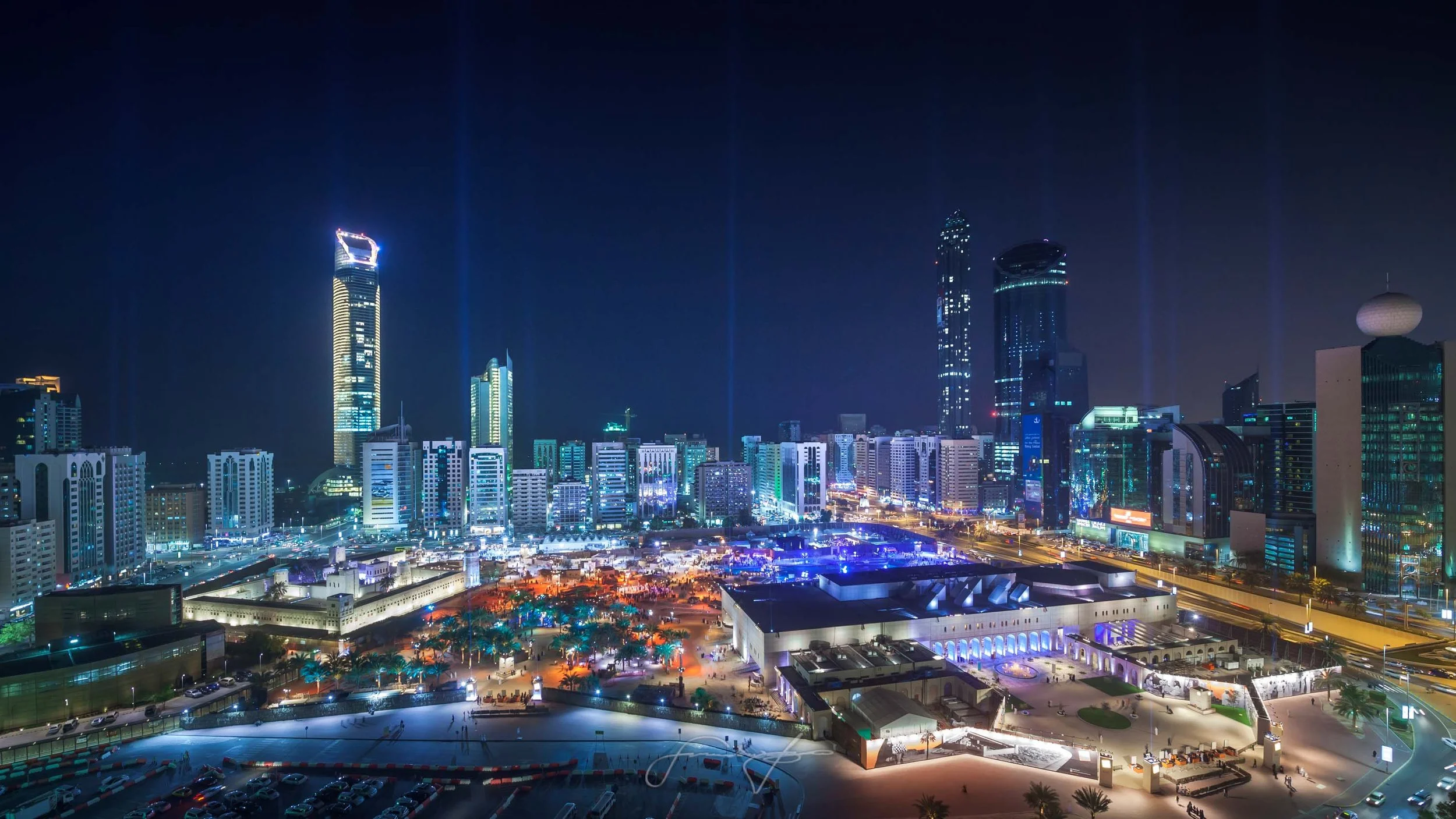
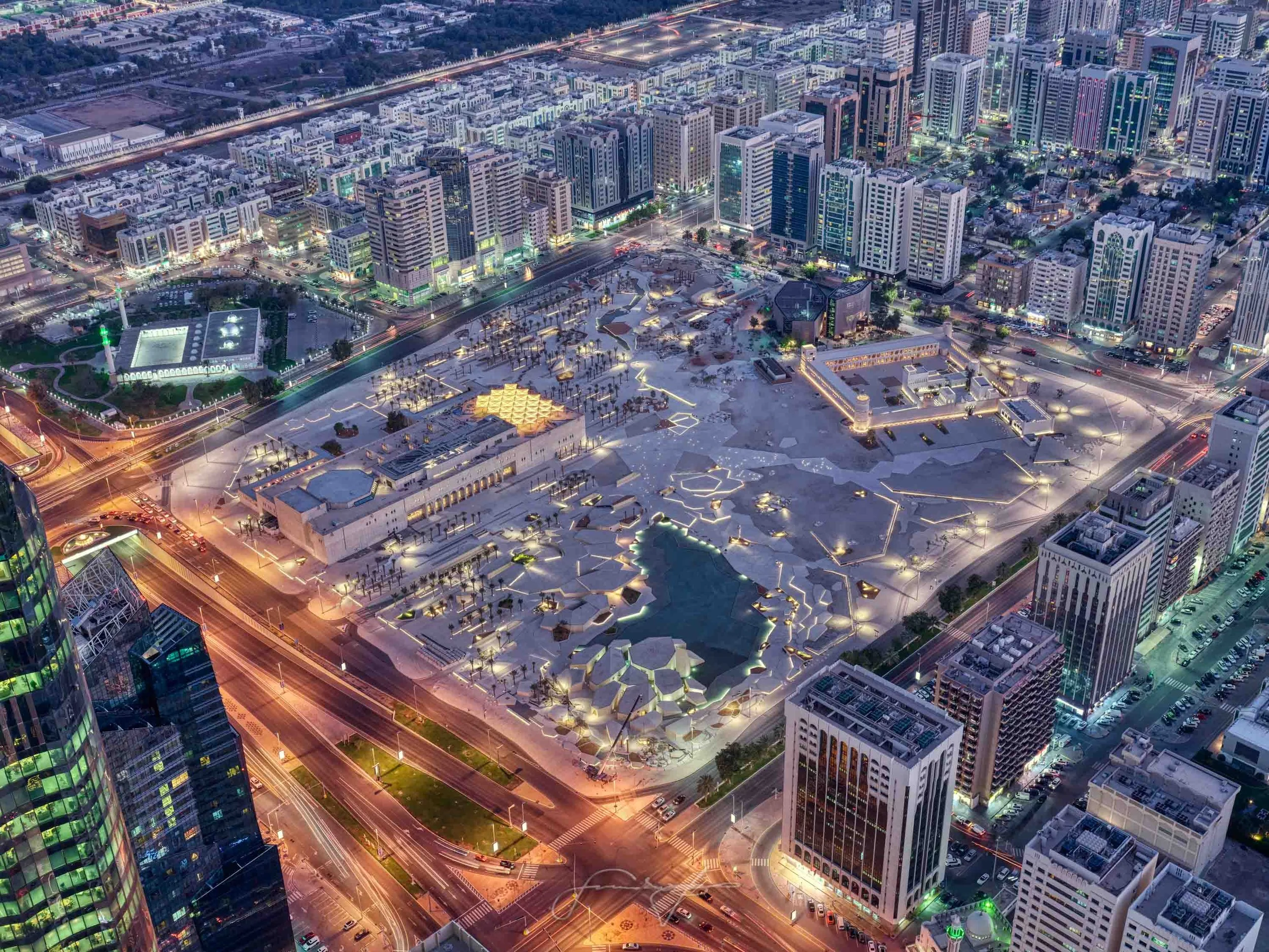
When I learned about the ‘Image As Witness’ - photography competition, I instantly felt compelled to participate. The subject was directly aligned with my professional background and deep connection to the fort. I submitted my entry to the Digital Editing category, which tasked artists with using their own original photograph of Qasr Al Hosn as a foundation to create an entirely new, reimagined visual interpretation. With no strict creative brief or guidelines, the category offered complete creative freedom and endless narrative possibilities.
My concept was inspired by the annual Qasr Al Hosn Festival, which brings historic Abu Dhabi to life by showcasing traditional Bedouin social structures, pearl diving, dhow fishing, local crafts, traditional cuisine, music, and poetry recitations. Rather than creating a single static image, I conceptualized a visual narrative of historic "echoes" seeping through the contemporary, fully restored stone structures:
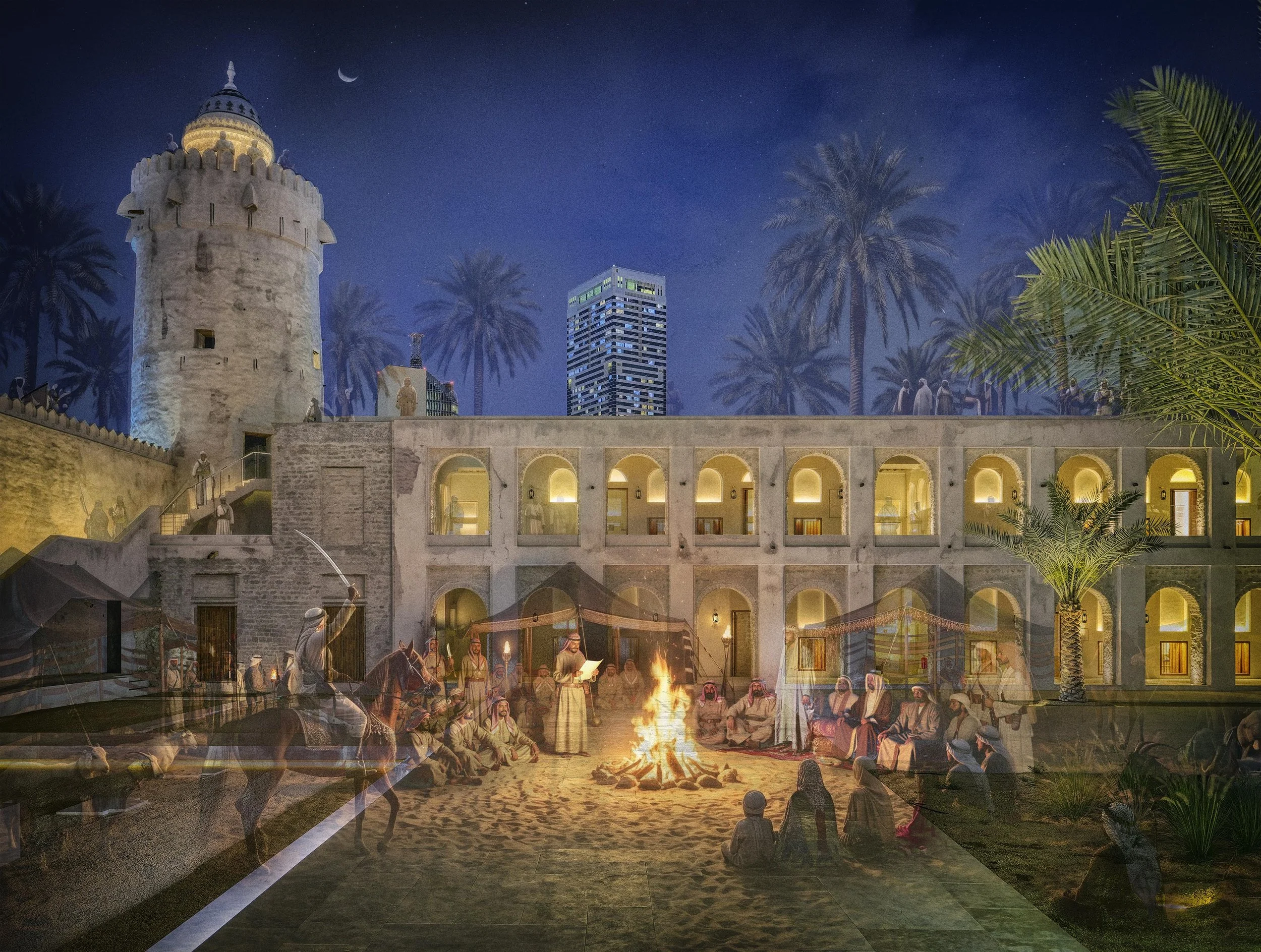
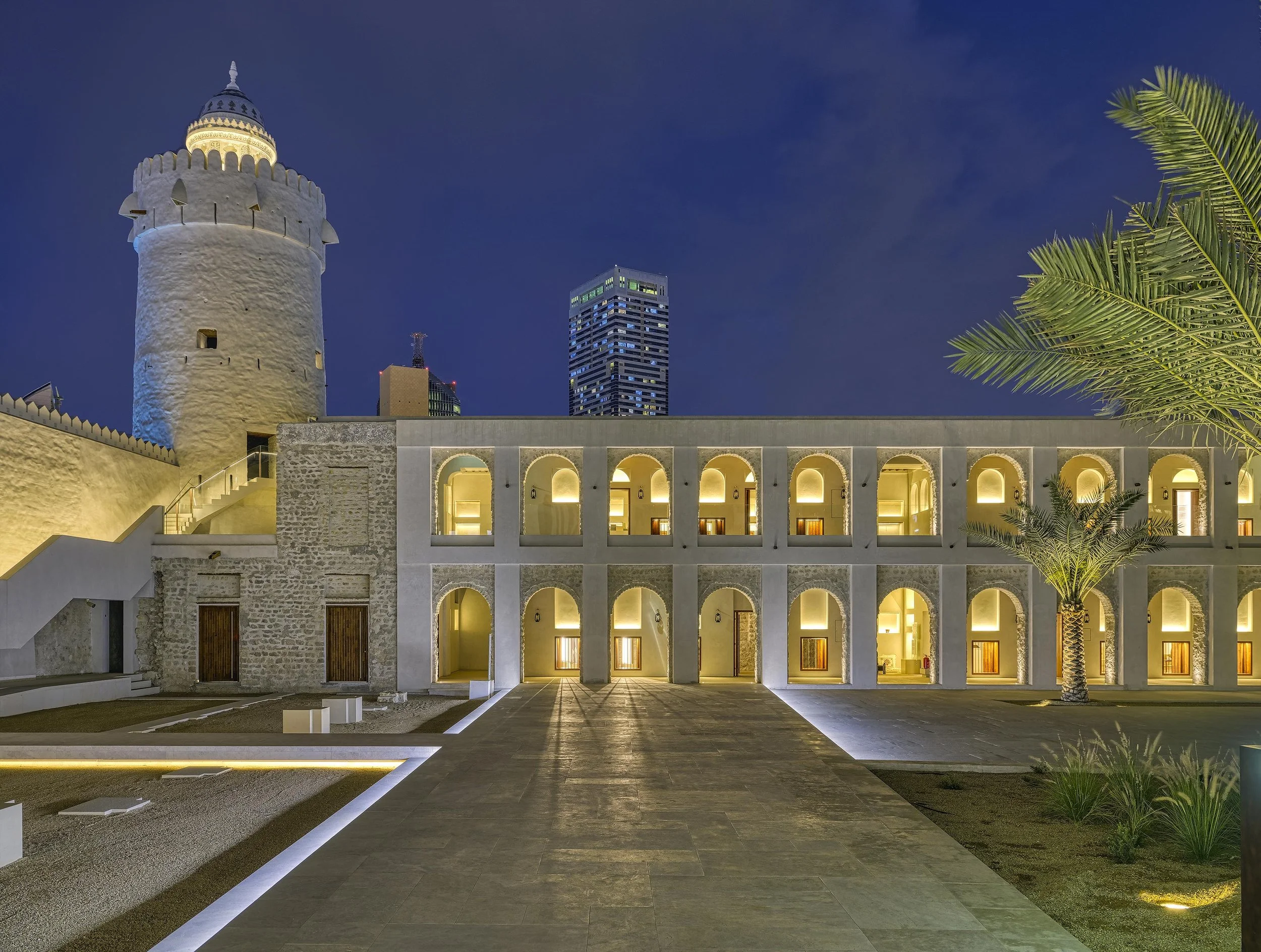
Scene 1: Nightly Poetry by the Campfire
The first visual captures a Bedouin poetry recitation held in the fort's central courtyard under a calm, starry sky. Gathered around a central fire, an unnamed tribal leader, his council, warriors, women, and children listen intently to the reader. The fort walls stand as a protective enclave.
To build these historical figures accurately, I referenced archival photographs, museum artifacts, traditional weaponry, and period attire. Using a mix of generative AI models (including Photoshop's built-in generative AI tools, Flux as well as Seedance), I generated separate element passes to build the complex scene layout.
Slide to see the unedited photo featuring Qasr Al Hosn Fort vs. a fully re-imagined image
Scene 2: The Encampment at Dusk
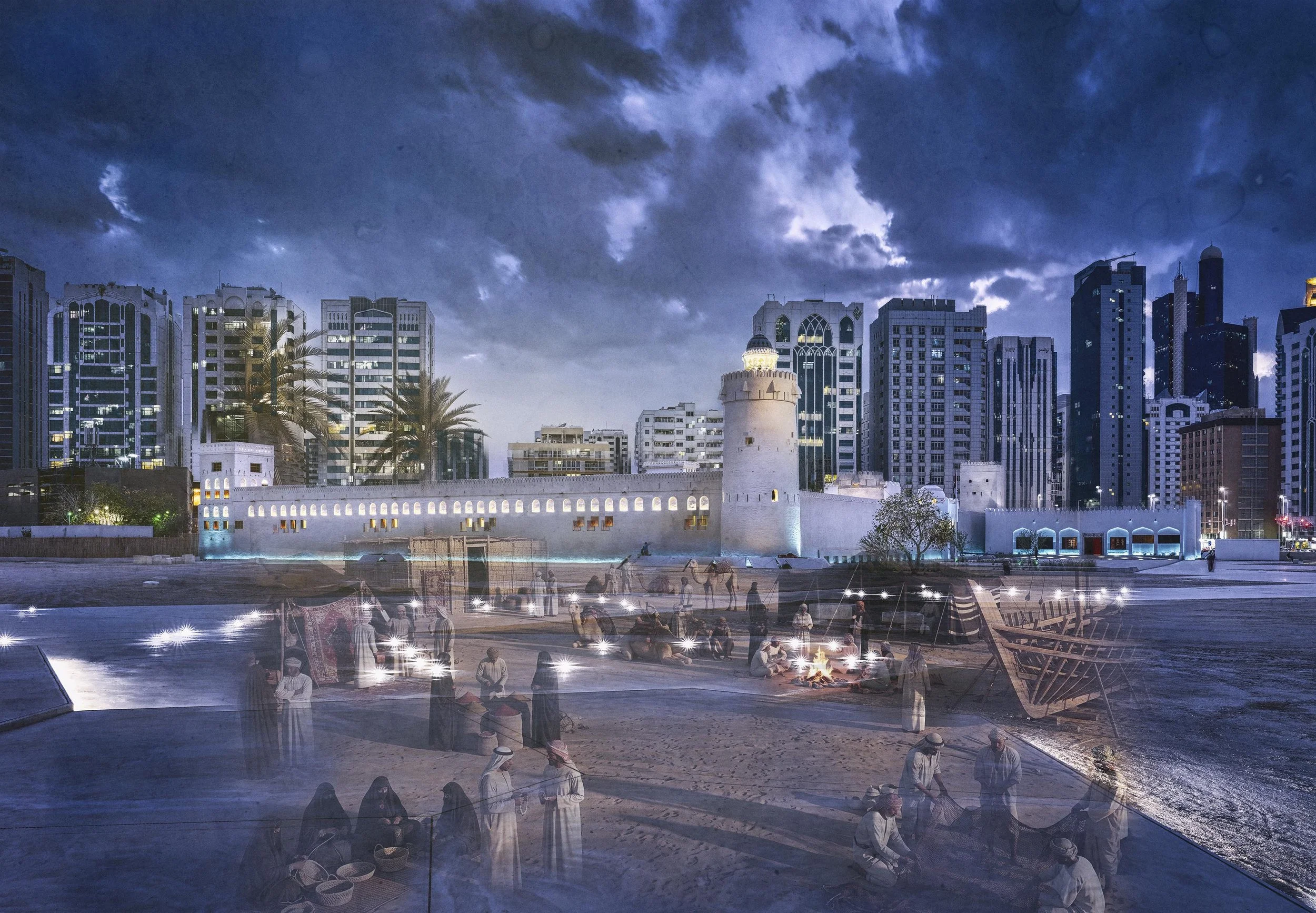
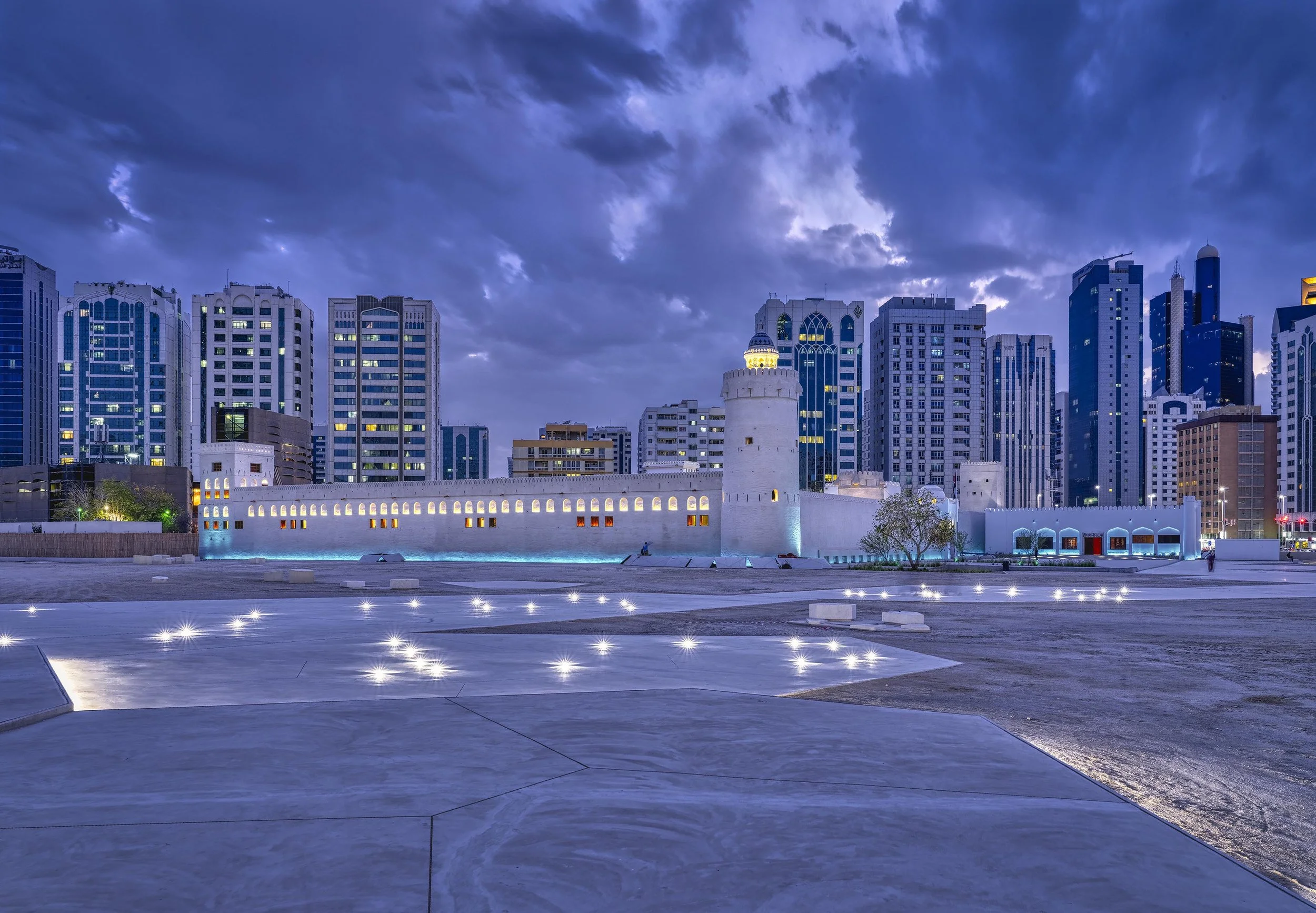
The second visual captures an exterior view of the fort during the late afternoon, set against the backdrop of the modern skyline. In the foreground, daily Bedouin life unfolds: women preparing food, men mending fishing nets, a traditional dhow, and merchants negotiating trades outside an open tent. The scene represents a tranquil, self-contained moment in time, completely unmindful of the rapid modern transformation that would follow in the decades ahead.
Slide to see the unedited photo featuring Qasr Al Hosn Fort vs. a fully re-imagined image
Scene 3: The Gathering in the Majlis
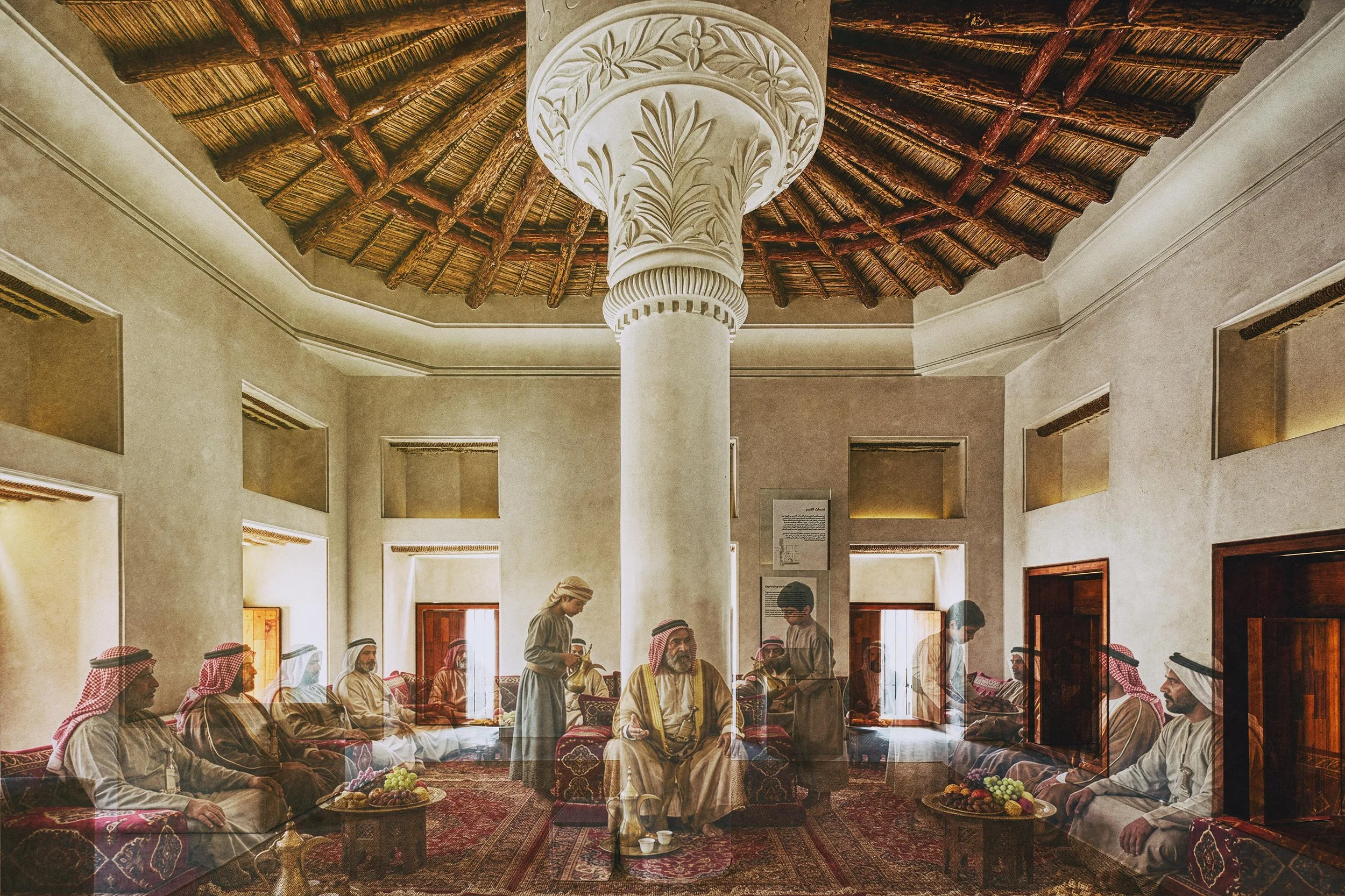
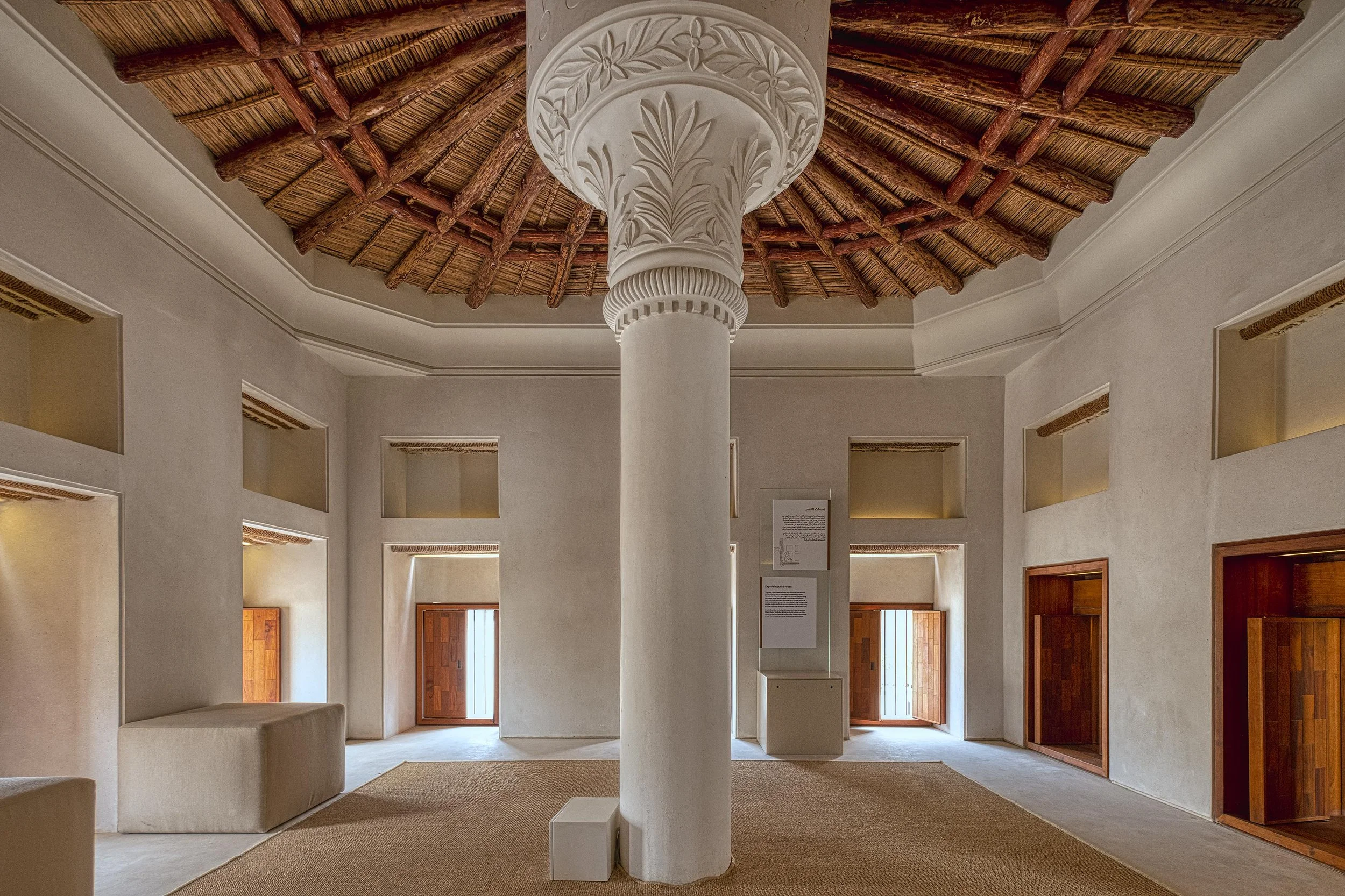
The third visual moves inside the restored interior, illustrating a gathering of elders in the majlis just before a formal council meeting. Centered around the local Sheikh, the elders are served traditional gahwa, dates, and fresh fruit. Specific focus was placed on authentic early 20th-century textiles, accessories, and traditional weapons to maintain historical accuracy.
Slide to see the unedited photo of the majlis at Qasr Al Hosn Fort vs. a fully re-imagined image
Scene 4: Pearl Divers on the Water
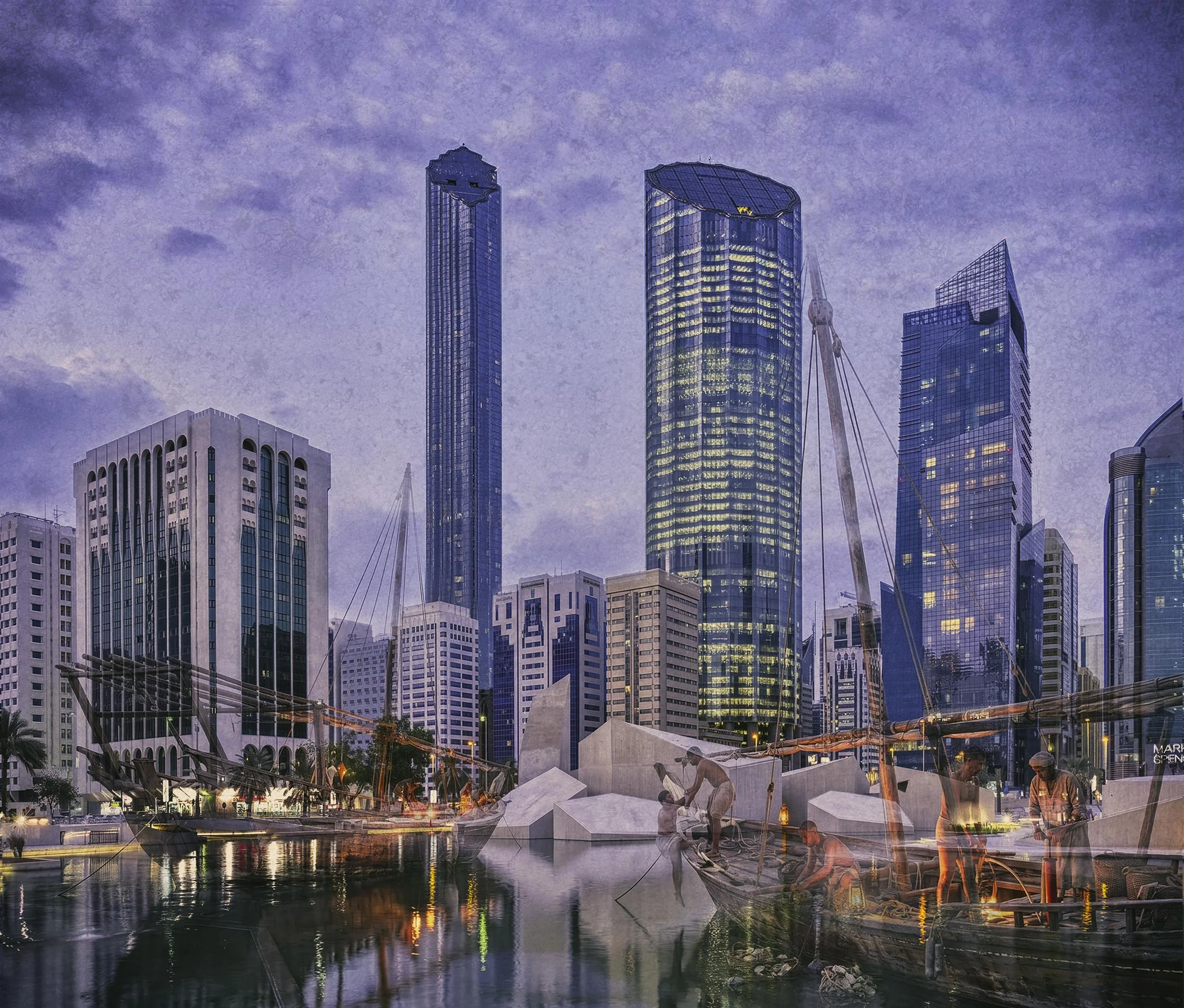
For the fourth visual, I wanted to pay homage to pearl diving, an industry of immense historical, social, and economic significance to the Arabian Gulf. Before the discovery of oil, pearling was the lifeblood of the coastal communities, the primary driver of trade, migration, and the seasonal rhythm of life in this part of the world. It is the foundation of the UAE’s maritime heritage.
To faithfully reconstruct this scene, I didn't rely on guesswork. I gathered dozens of archival photographs and integrated the first-hand imagery I’d captured of traditional gear (like Nose Clips, Dyeen bags, oyster baskets, and Al-Tous measuring bowls) during my visits to Al Ain Museum and the Qasr Al Hosn Museum. Using these as visual anchors, I fed the custom material into the AI generator to ensure the divers’ postures, dhow rigging, and traditional equipment were correctly depicted.
However, AI isn't a magical, one-click solution; the process was far from straightforward. Generative tools have severe limits when dealing with specific, historically accurate interactions (like hauling nets or using period-correct diving gear). It required a heavy amount of trial and error, over a dozen distinct generation passes and countless failed attempts that produced unnatural hand positions, distorted ropes, or inaccurate boat geometries. Each correct element had to be surgically extracted and manual-collaged into the scene.
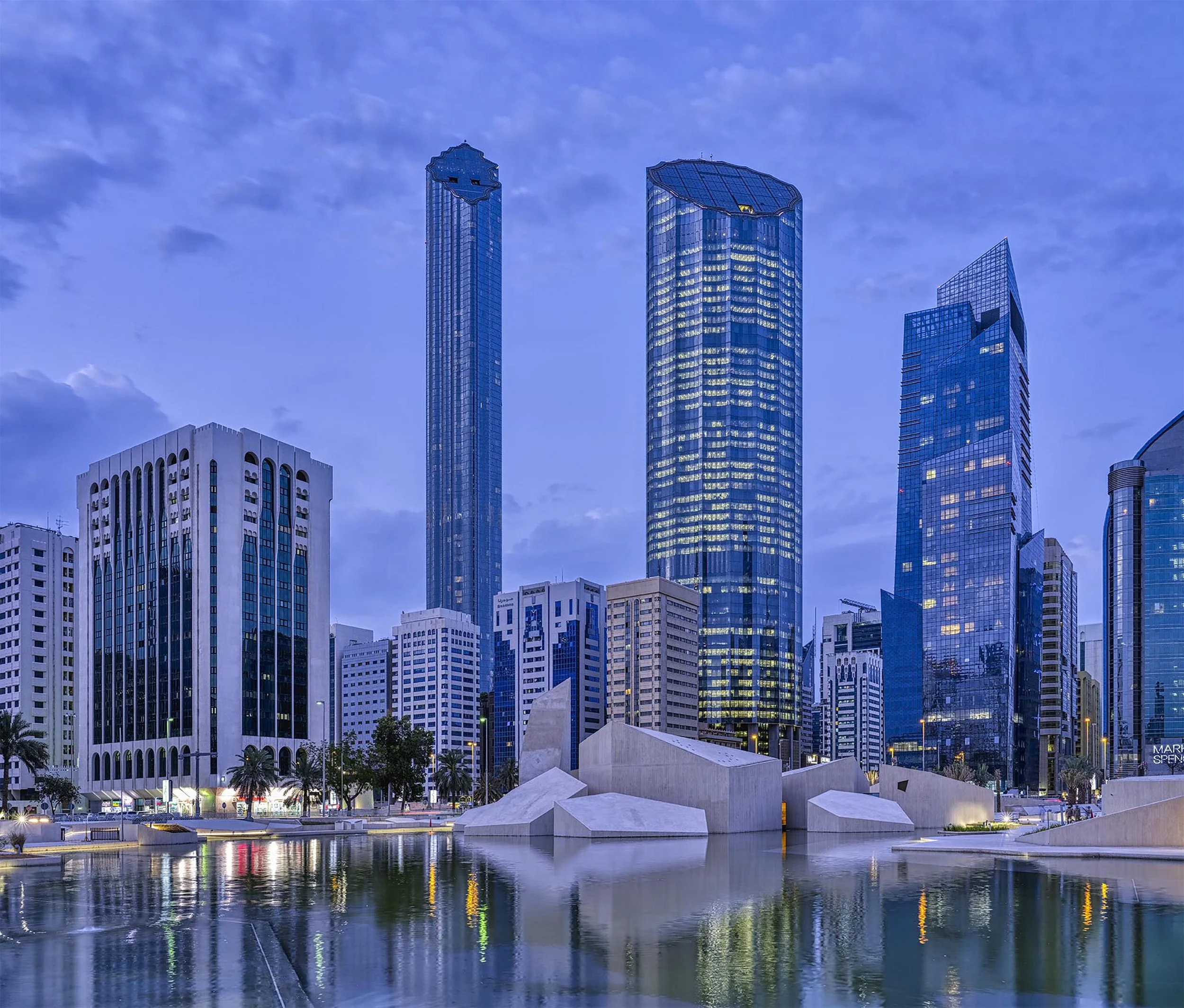
Slide to see the unedited photo of the artificial lake at Qasr Al Hosn Fort with Abu Dhabi downtown skyline vs. a fully re-imagined image
The Compositing & Final Process
The main technical challenge across the series lay in seamlessly blending real architectural photographs with AI-generated historical elements. To convey the passing of time, the historical figures were integrated as semi-transparent "ghostly" echoes, ensuring the clean lines, textures, and details of the restored fort remain visible through them.
As a final post-processing step, I applied an analog film treatment, slightly desaturating the color palette, softening contrast, and adding fine grain to give the composites an authentic, archival feel.
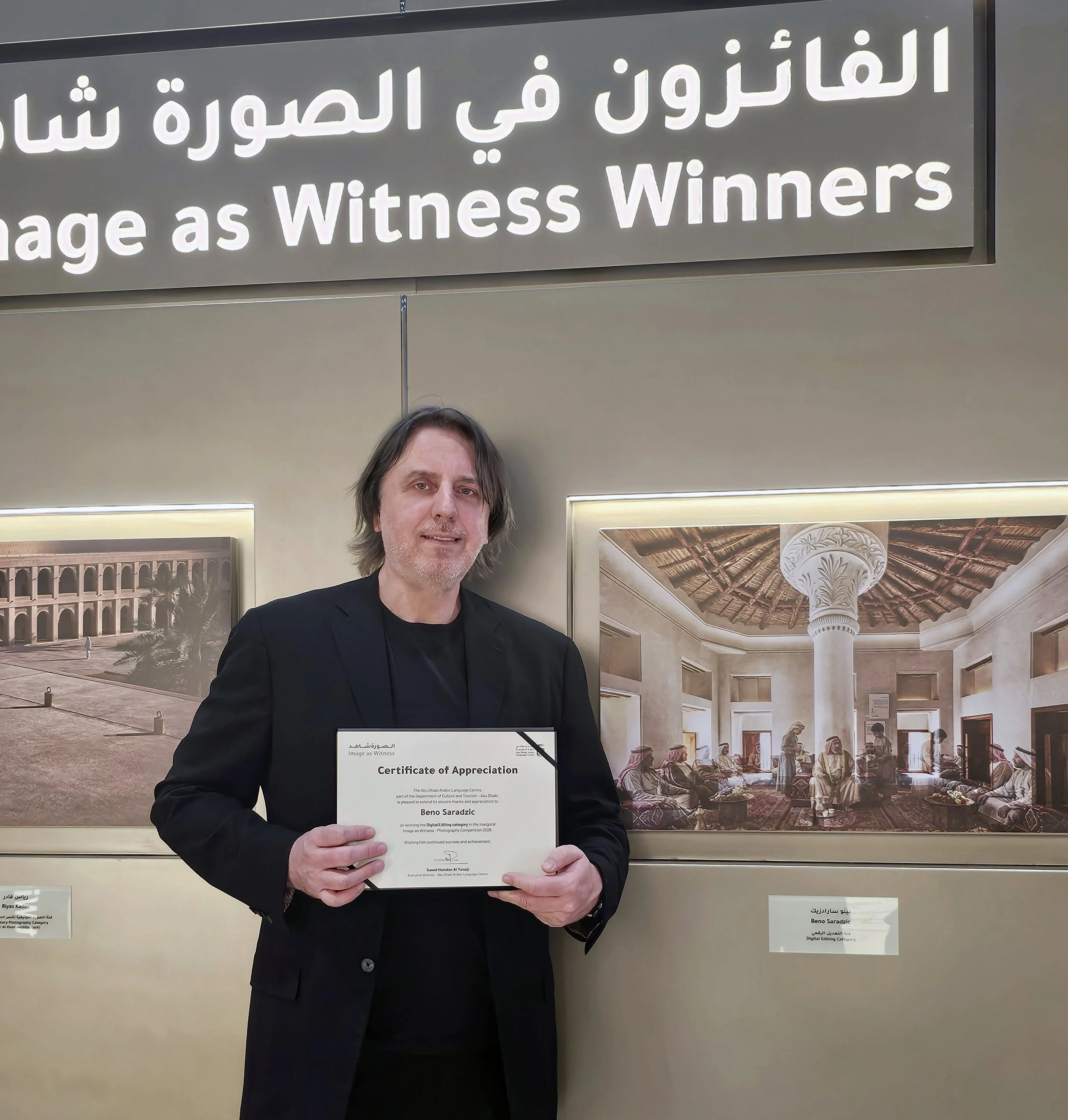
I am thrilled and honored to share that this series awarded me 1st Place in the Digital Editing Category! Blending real-world architectural photography with new digital workflows was a deeply rewarding creative challenge, and having this narrative recognized by the judges makes the process even more special.